

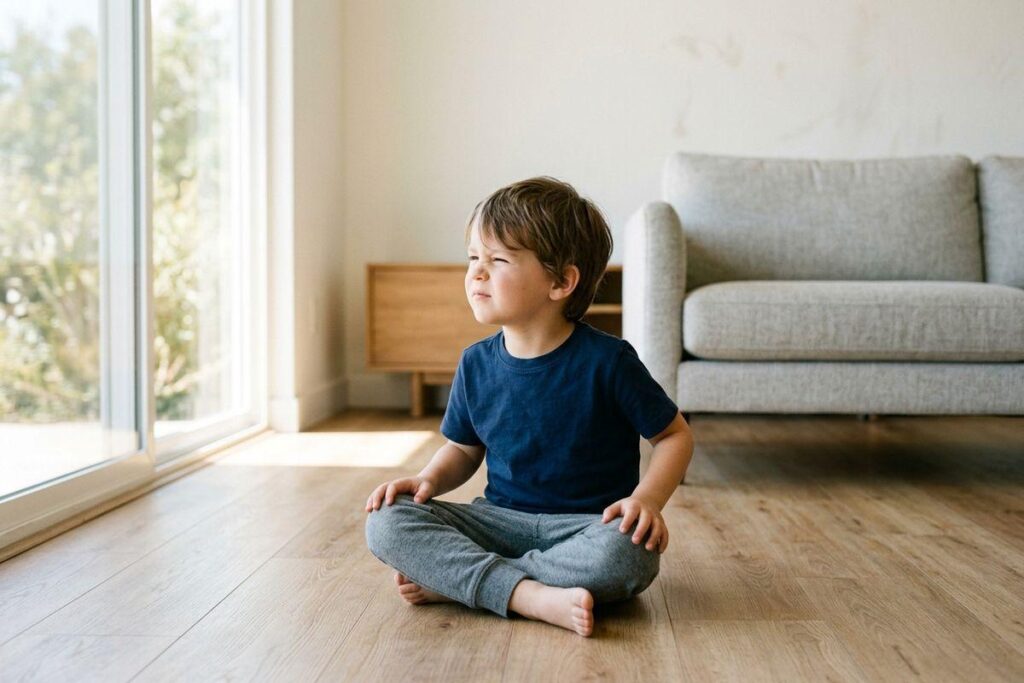
Kids rarely tell you their vision is changing. You’re more likely to notice it yourself: squinting at the TV, sitting closer to the board than they used to, or rubbing their eyes after homework. These are common early signs of myopia, or nearsightedness, and they tend to show up earlier than most parents expect.
A children’s eye exam can flag these changes early, before they progress further. But there’s more to the picture than just correcting blurry vision. Myopia management works by slowing how fast a child’s eyes change over time, which can lower the risk of more serious vision problems down the road. Pair that with a comprehensive eye exam, and you’ll get a clearer sense of where your child’s eyes stand today, and where they might be headed.
What Myopia Actually Does to Your Child’s Eyes
Myopia isn’t only about blurry distance vision. It’s structural: the eyeball grows longer than it should, changing where incoming light lands inside the eye. Light ends up focusing just in front of the retina instead of directly on it, so anything far away looks soft or blurred.
Here’s the tricky part. The eye doesn’t reliably stop growing on its own. As it keeps elongating, your child’s prescription keeps climbing, and a higher prescription raises the risk of serious eye conditions later on, including retinal detachment and glaucoma. Myopia isn’t something to correct once and move on from. It needs ongoing attention.
Signs Your Child May Be Nearsighted
Kids don’t usually know their vision is off. They just assume everyone sees the world the way they do. Watch for these signs:
- Squinting or sitting unusually close to the TV or a screen
- Struggling to read the board at school, or asking to sit near the front of the room
- Getting headaches, especially after looking at distant objects for a while
- Rubbing their eyes often or tilting their head to see more clearly
If any of this sounds familiar, schedule an eye exam soon. Spotting it early gives you more options.
Why Correcting Myopia Isn’t the Same as Managing It
Standard lenses and myopia management aim at different goals, and it helps to understand why before you pick a path forward.
The Trouble with Standard Lenses
Single-vision lenses do their job well enough. They redirect light so it lands on the retina and your child can see clearly. But there’s a tradeoff: while they correct the central focus, they leave peripheral vision focusing behind the retina. The eye senses that mismatch and responds by growing longer, trying to bring the peripheral image into focus. In doing so, it actually makes the problem worse.
Why Early Action Matters
Younger eyes grow faster, so timing matters. A child diagnosed with myopia at 6 has more years of potential progression ahead than a child diagnosed at 12.
Start management while the eye is still developing, and you give yourself a wider window to slow that progression and protect your child’s long-term eye health. Research shows myopia prevalence will keep rising globally, so acting early matters more now than it used to.
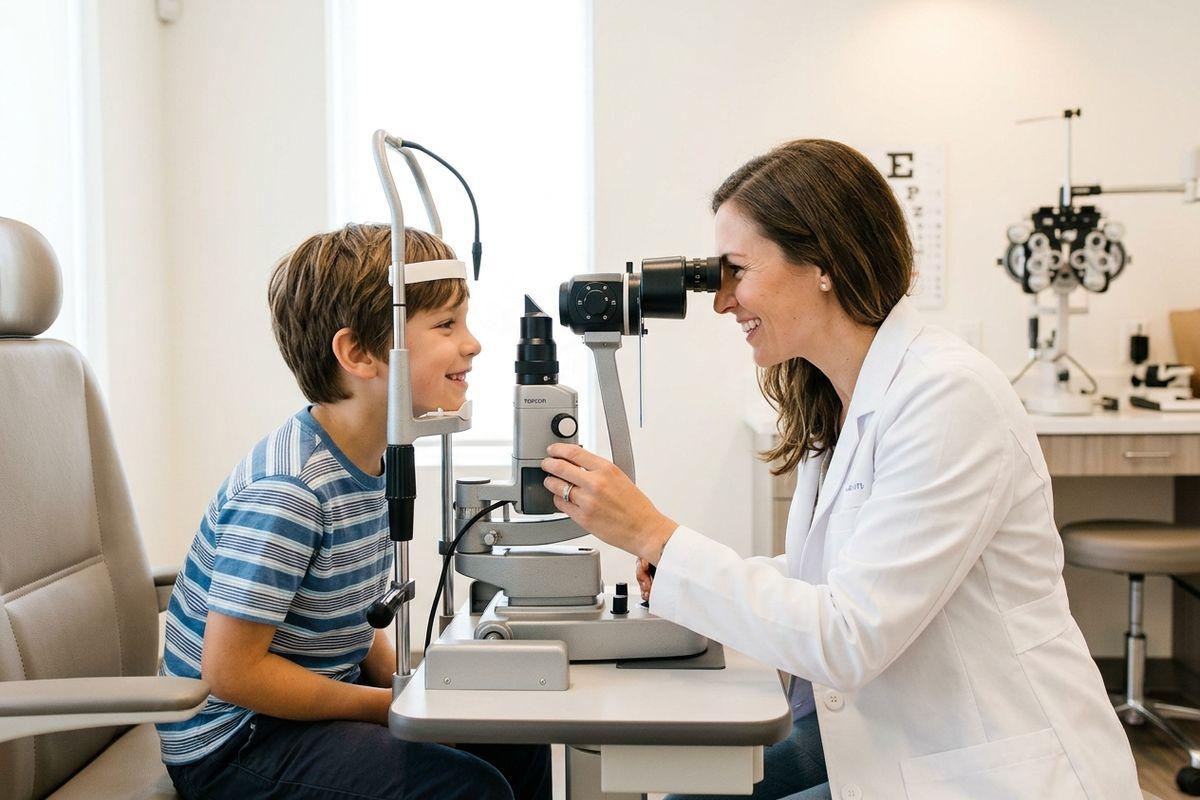
Myopia Management Options Worth Knowing About
A few different approaches can slow myopia progression, and your optometrist can help you figure out which one fits your child best.
Orthokeratology Lenses
Ortho-K lenses work overnight. Your child wears them to sleep, and they gently reshape the cornea so light focuses correctly by morning, no glasses or contacts needed during the day. The effect wears off gradually, and that’s the point. Nightly reshaping keeps vision clear through the day while also correcting the peripheral focus issue that drives eye elongation.
Multifocal Contact Lenses
Multifocal contact lenses redirect peripheral light so it doesn’t land behind the retina. Take away that signal, and the eye has less reason to keep growing.
Low-Dose Atropine Drops
Low-dose atropine drops take a different approach. Instead of redirecting light, they relax the mechanisms inside the eye that drive elongation.
Both options are common, and a personalized assessment through a myopia control program can help determine which one suits your child’s eyes and lifestyle.
Everyday Habits That Support Your Child’s Eye Health
Managing myopia doesn’t stop with lenses or drops. A few daily habits make a real difference too.
Aim for about 2 hours of outdoor time a day. Natural light appears to play a role in how a child’s eyes regulate their growth, and outdoor time is linked to slower myopia development. It’s one of the easiest habits to build into your child’s routine.
For screen time, try the 20-20-20 rule. Every 20 minutes, have your child look at something about 20 feet away for 20 seconds. It gives their eyes a break and cuts down on the strain that builds up from close-up focus, and it matters even more as screens take up a bigger share of kids’ daily routines.
Keep Up with Routine Eye Exams
Annual eye exams do more than update a prescription. They let your optometrist track how your child’s eyes are changing over time, so any concerning changes get addressed before they add up. A management plan built around your child’s age, prescription, and daily habits works better than a one-size-fits-all approach.
Protect Your Child’s Vision, Starting Now
Myopia doesn’t wait, and neither should you. If your child is squinting, sitting too close to the screen, or complaining about headaches, get their eyes checked and find out what’s going on.
Total Vision Del Mar builds myopia management plans around each child’s eyes, habits, and daily routine. Reach out to the team and schedule a comprehensive eye exam today.