

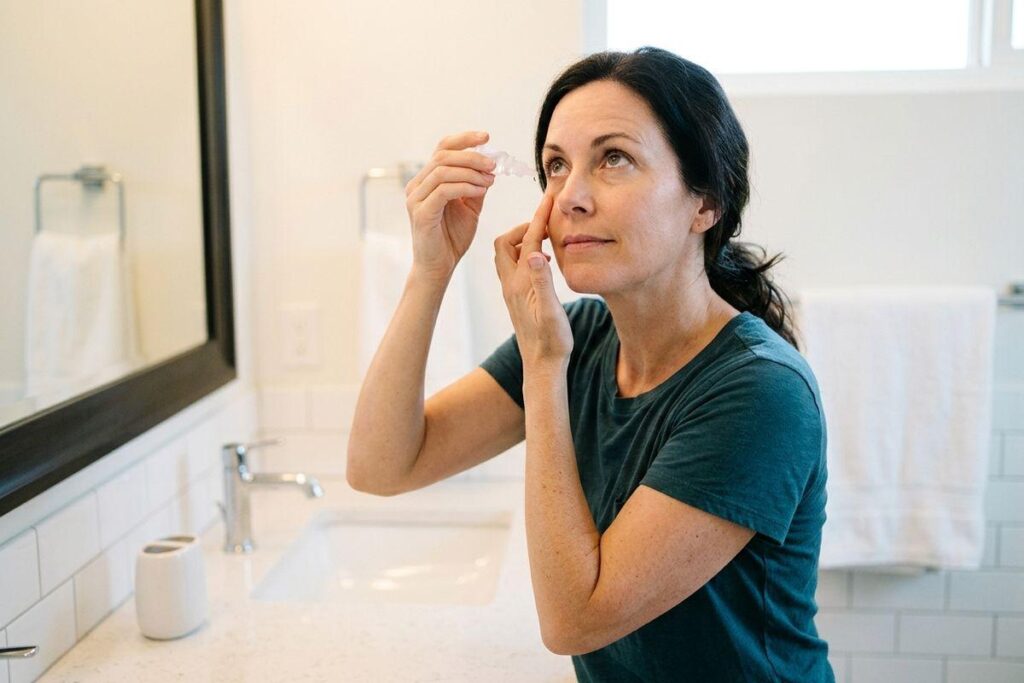
Eye drops live in most medicine cabinets, so they’re an easy first move when an eyelid turns sore and swollen. Whether they help depends on which bottle you pick up. A few drops can calm the irritation around a stye. Others can aggravate a tender lid, and some are made for eye problems that look similar but aren’t styes at all.
Eye drops can ease the discomfort of a stye, though they won’t clear the stye itself. Warm compresses and regular eyelid cleaning do most of that work.
What a Stye Is and Why One Forms
A stye is a small, tender bump along the eyelid, usually close to the lashes. It starts when an oil gland gets blocked and bacteria settle in behind the clog.
It can look a lot like a pimple and behave like one, too. You’ll usually know one when you see it. Watch for a few of these:
- A swollen red spot near the lash line
- Tenderness when you blink
- Watering that won’t stop
- A gritty feeling, like a grain of sand under the lid
- Light sensitivity in that eye
Most styes drain and fade within 1 to 2 weeks on their own. Your care during those days won’t speed things up much, though it can make the wait a lot easier.
Which Eye Drops Can Soothe a Stye
Lubricating drops, sold as artificial tears, can ease the burning and itchiness that come with a stye. Your eye’s surface often feels dry even when the bump sits on the outside of the lid.
Reach for preservative-free artificial tears if you’re using them several times a day. Preservatives can sting an inflamed eye after repeated use. Either way, these drops manage how your eye feels while your body works through the blockage underneath.
And if the dryness continues after the stye clears, that’s worth its own conversation with your optometrist.
Eye Drops to Skip While You Have a Stye
Redness-relief drops seem like the obvious pick. They narrow the blood vessels in your eye, which does nothing for a blocked gland and can leave a sore lid feeling more irritated once the effect wears off.
Pink eye drops are another common mix-up. They’re formulated for conjunctivitis, which has a different cause and won’t do anything for a clogged oil gland.
Allergy drops fall into the same category, unless your optometrist recommends them for something else you’re managing. And check the date on any bottle that’s been open for months. Old drops can pick up bacteria at the tip.
When an Optometrist May Recommend Eye Drops
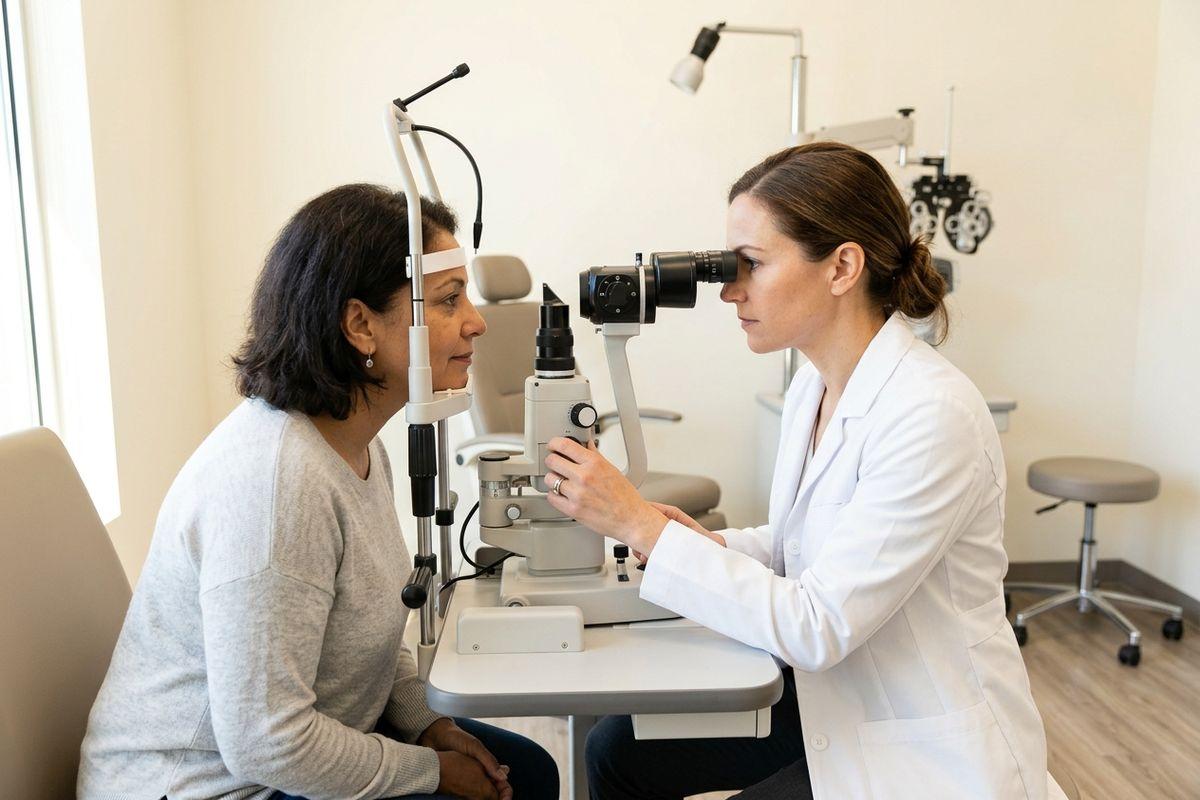
Give a stye a week or two of warm compresses and gentle cleaning. If the pain or swelling keeps climbing instead of settling down, book an exam.
Bacteria behind a stubborn stye sometimes need direct treatment, and your optometrist may prescribe antibiotic drops or an ointment for the lid. That decision comes after a close look at the gland, which is why these aren’t sold over the counter.
Please don’t squeeze or pop a stye, either. Pressing on it can push bacteria deeper into the eyelid.
How to Use Eye Drops Safely During a Stye
Wash your hands thoroughly before you do anything near your eye. This is especially important when your eyelid is already irritated or inflamed. If you wear contact lenses, take them out before applying any drops.
Contacts can trap solution against the eye and cause additional irritation. Taking that one extra step before you reach for the drops can make the whole process more comfortable.
Proper Application Steps
Here’s how to get the drops where they need to go:
- Tilt your head back and pull your lower lid down gently to make a small pocket.
- Squeeze 1 or 2 drops into the pocket without letting the tip touch your lashes or lid.
- Close your eye for 10 to 20 seconds so the drops spread across the surface.
Wait about 5 minutes between bottles if you’re using more than one kind of drop. Otherwise, the second one mostly washes the first one away.
Habits That Can Help Prevent Future Styes
Once a stye clears, a few small routines can lower the odds of the next one. Clean your lids with a mild cleanser or a lid wipe, which takes under a minute and clears away the oil and debris that block glands.
Replace mascara and eyeliner every 3 months, and keep them to yourself. If you’ve just had a stye, swap out anything that touched that eye.
Keep your hands off your eyes during the day, and wash your contact lens case regularly. Sleeping in lenses raises your odds, too.
Styes that keep coming back sometimes trace to blepharitis, an ongoing inflammation along the lash line. Your optometrist can spot that pattern during an exam and build a lid care routine around it.
When a Stye Needs More Than Eye Drops
A stye that’s fading on schedule usually needs patience and a warm compress. If it’s spreading or this is the third time it’s shown up this year, it deserves a closer look.
Bring your symptoms to Total Vision Del Mar. We’ll examine the lid, find out what’s behind it, and talk through your options. Book your appointment, and we can help you get comfortable again.